Once in a blue moon I open Instagram. It is the last one I have left. I scroll for a minute, maybe two, and somewhere in there I remember exactly why I stopped. Then I close it, and the phone goes back on the table face-down.
I have been off most social media for a while now. Facebook, LinkedIn, X, and Bluesky are gone. The claim here is narrow: these platforms are designed to keep you scrolling and clicking, which makes them addictive by nature, and for something addictive by design, avoidance works better than moderation. Leaving has been one of the better decisions I have made, and I do not want much to do with them again.
They Told Us What It Was For
This is not a conspiracy theory. The people who built it said so. In 2017, Sean Parker, Facebook’s founding president, told Axios that the thought process was “How do we consume as much of your time and conscious attention as possible?” The answer was a little dopamine hit every time someone liked or commented on something you posted. “It’s a social-validation feedback loop,” he said. “You’re exploiting a vulnerability in human psychology.” And then: “The inventors, creators — it’s me, it’s Mark, it’s Kevin Systrom on Instagram, it’s all of these people — understood this consciously. And we did it anyway.”
Sit with that. The scroll is not a side effect.
What I Gave Up
Each platform had a job in my life. Facebook was family and old friends. LinkedIn was the professional costume. X was news and arguments about news. Bluesky was supposed to be the X that did not hurt, and it turned out to be the same shape with a different crowd.
That last one taught me the most. Who owns the building was never the problem. The building was: the endless feed, the reply box that is always open, the count of likes under every opinion. Move the same machine to a nicer neighborhood and it still runs the same loop.
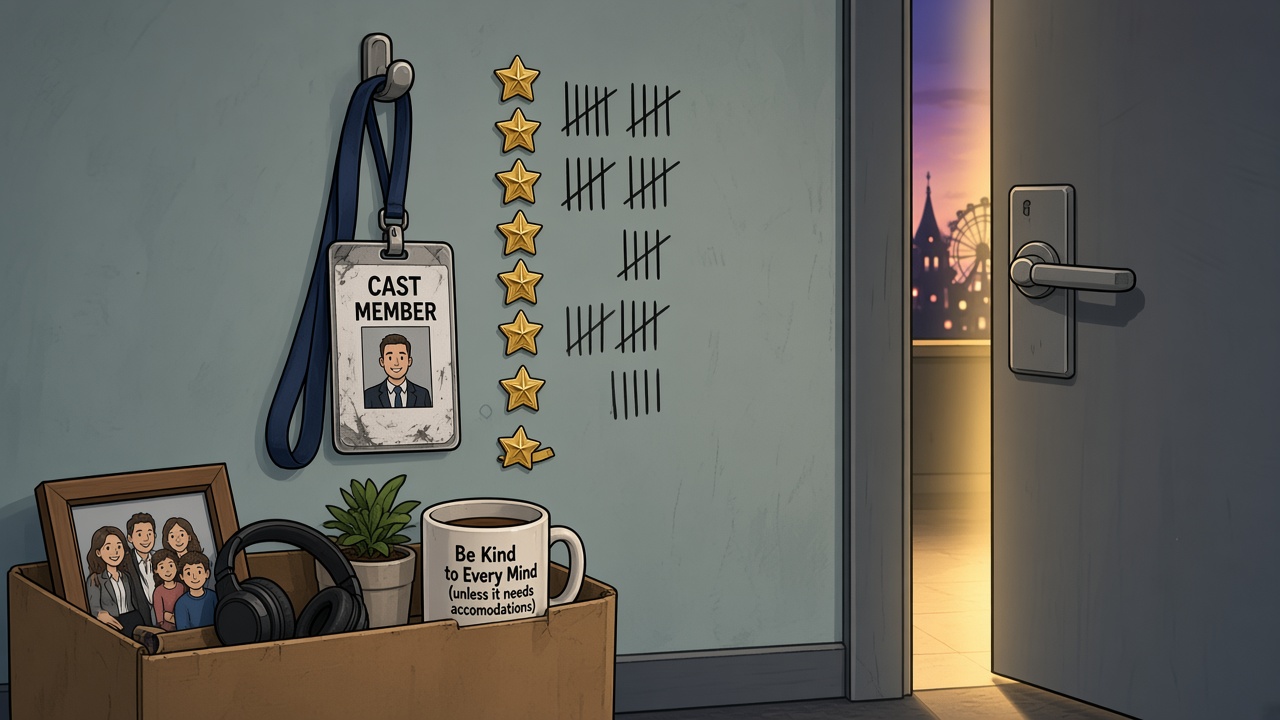
What did I lose? Less than I expected. The people who matter to me are still reachable by text, by phone, and in person. The news still exists without a quote-tweet chain attached. What I lost was the hum: the constant low background feeling that something is happening and I am supposed to have a take on it.
Why I’m Not Going Back
My brain does not have a great off switch. When something grabs it, it holds on. That is useful when I am writing code or reading about history. It is a liability when the thing grabbing it was designed by very smart people to never let go. A book ends. A game has a final boss. A feed is engineered to have no bottom, and a brain like mine will keep looking for one.
Moderation means my willpower against a building full of engineers whose job is to beat it, every single day. Avoidance means one decision. The evidence is Instagram: every time I open it, I relearn the lesson in under two minutes.
Scroll Post Like
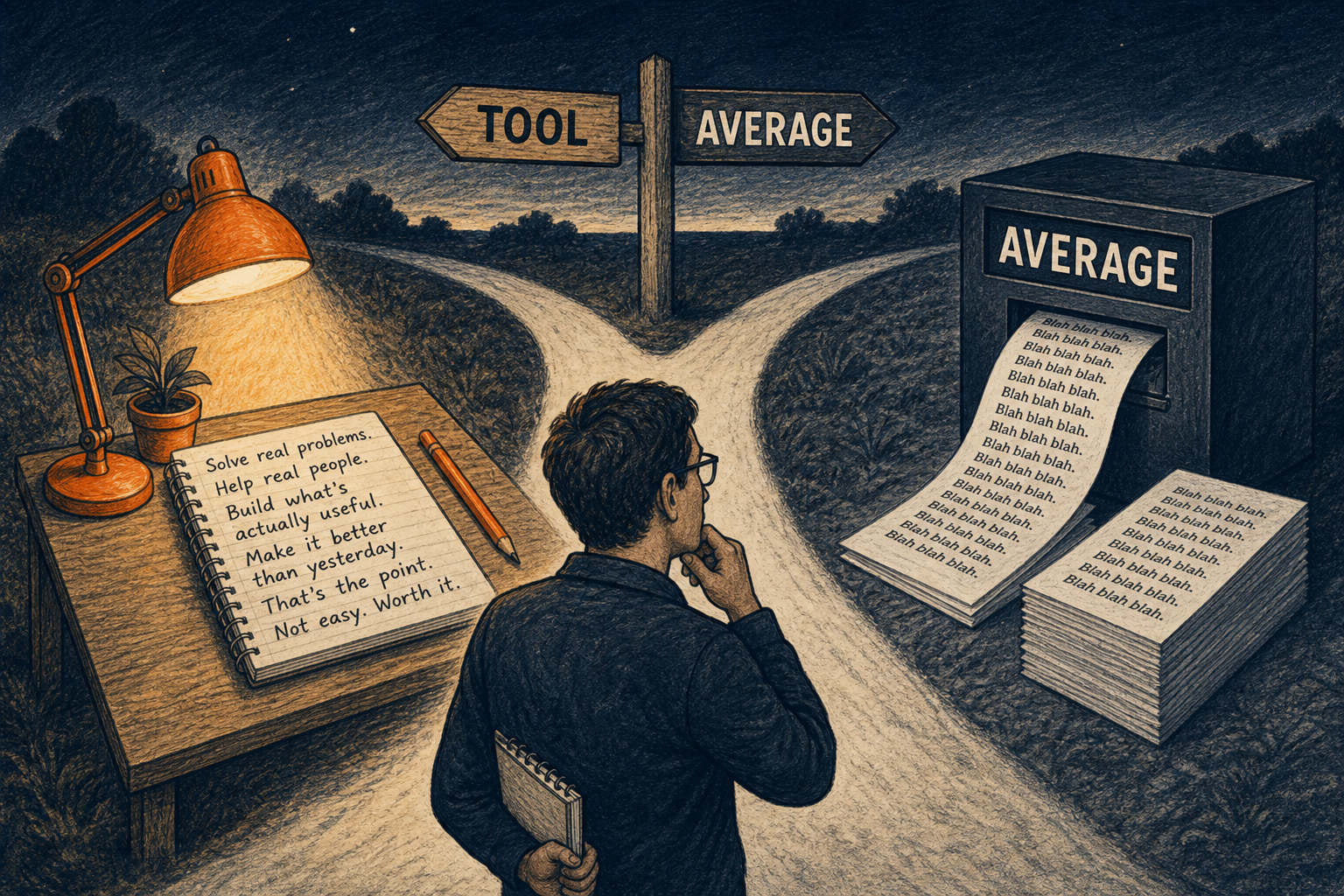
None of this means I think people should not be able to talk to each other online. It means I think the current machines are built for the wrong goal. For a while now, off and on, I have been working on a side project called Scroll Post Like. It is still a work in progress, not a product. The idea is a social platform that uses AI to take the toxicity out instead of feeding on it.
The core is a classifier. Every post, reply, and comment runs through an AI model that tells us some basic things about the content: is this political, is this negative, is this someone venting? Human moderation at the scale of a social network is a losing battle. There are too many posts and too few people, and the people doing it burn out. A classifier does not get tired, and it does not have to make the final call. It just labels.
Once posts are labeled, feeds can respect what users actually want. If you do not want politics in your feed, you can say so, and the platform can honor it instead of quietly deciding that outrage keeps you around longer.
The Echo Chamber Problem
That raises the obvious risk. If everyone filters out everything they dislike, you have built a machine for agreeing with yourself. This site has already argued that selective exposure and a concentrated diet do more damage than a magic algorithmic filter bubble. A preferences page is selective exposure with a nicer settings screen.
So the second job for the AI is the opposite of agreement. When you post, it can challenge your assumptions, fact-check your claims, and add the context you left out. The point is not to tell you that you are right. It is to make the position you hold a better-informed one, whatever that position turns out to be. A platform that only filters is a comfortable room. A platform that also pushes back is closer to a good friend.
The 24-Hour Wait
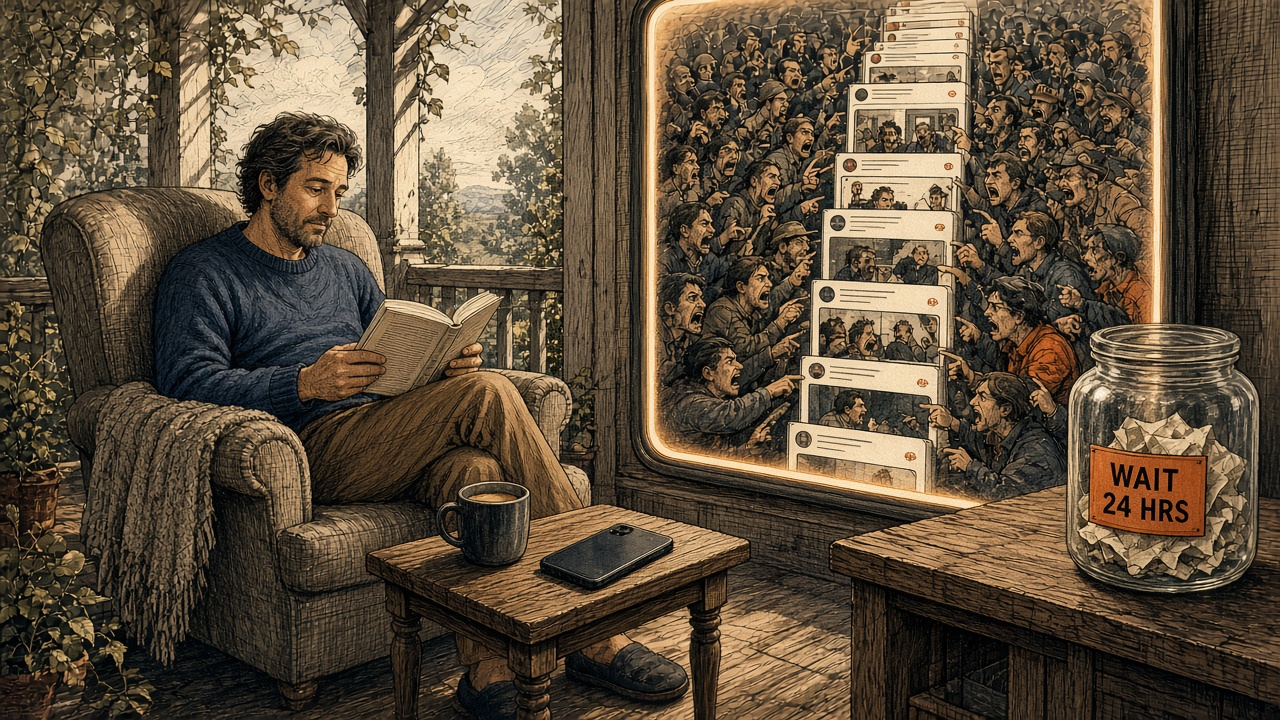
The feature I care about most comes from personal experience. You write a long venting post. You are angry and you are right, or you feel right, and you go to hit send. In Scroll Post Like, if the classifier tags that post as a vent or overly negative, it does not go out. It waits 24 hours. You can come back tomorrow and send it, edit it, or delete it.
I have posted angry. It is not a good idea. Sometimes we say things we will regret, and the regret lasts much longer than the anger did. Sleeping on it is old advice. The difference is building it into the platform instead of hoping people find the willpower at the worst possible moment.
There is precedent for friction like this, and it works. In 2019 Instagram started asking people “Are you sure you want to post this?” before posting a comment its AI flagged as possibly offensive. Adam Mosseri, the head of Instagram, said early tests showed it encouraged some people to undo the comment and post something less hurtful. In 2020 Twitter tested a prompt to read an article before retweeting it. People opened articles 40 percent more often, and some of them decided not to retweet at all. Twitter’s own comms account put it best: “Some Tweets are best left in drafts.”
Those were prompts you could tap past in a second. A day is longer. A day is long enough for the anger to cool and for you to read it the way everyone else would.
The vent is still there in the morning, sitting in its queue.
Further Reading
- Sean Parker: Facebook was designed to exploit human “vulnerability” (Axios, Nov. 2017)
- Our Commitment to Lead the Fight Against Online Bullying (Adam Mosseri, Instagram, July 2019)
- Twitter is bringing its ‘read before you retweet’ prompt to all users (The Verge, Sept. 2020)