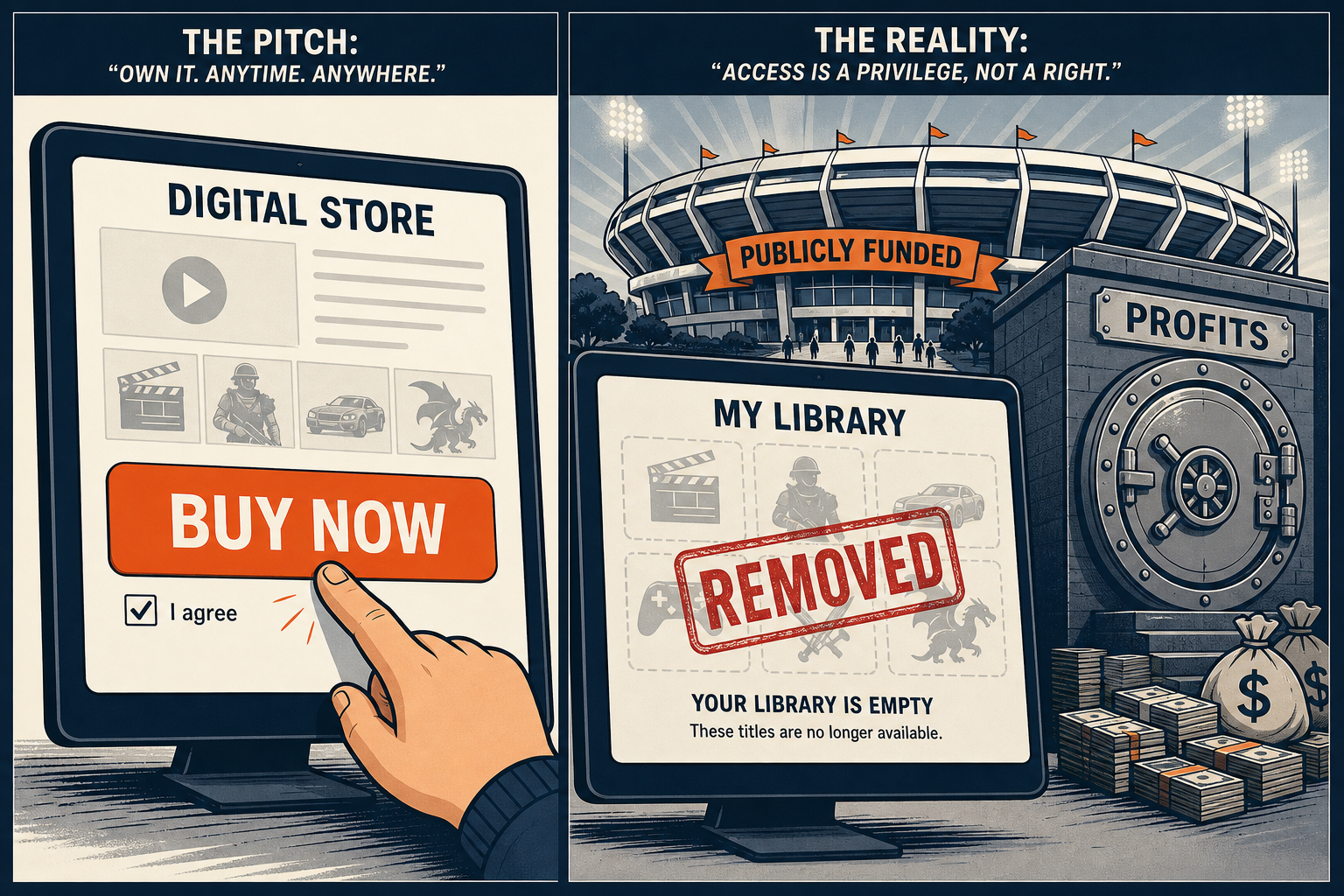
Give a corporation an inch and it will take a mile. That is not a metaphor I invented for this post. It is the operating manual.
The inch is a button that says Buy Now. A checkbox under a free streaming trial. A ribbon-cutting for a “public-private partnership” that will supposedly revitalize a city. The mile is a library that evaporates without a refund. An arbitration clause stretched over a death. A billion-dollar stadium paid for by taxpayers while franchise value and operating profits stay private.
Sony is doing it with digital media. Disney tried it with Disney+. Sports owners have been doing it with arenas for decades. And every time we treat the mile as normal — every time we shrug and say that is just how the industry works — we are teaching them the next mile is already approved.
I am in a mood about this. I think that is the correct mood.
The Library You Paid For
On September 1, 2026, PlayStation told customers in the United Kingdom that StudioCanal movies and TV titles would be removed from their video libraries. The company’s own legal notice is blunt:
From September 1, 2026, due to our content licensing agreements, you will no longer be able to access your previously purchased content from Studio Canal, and it will be removed from your video library.
Previously purchased. Removed. No refunds announced. The list includes titles people actually care about — Terminator 2, Hot Fuzz, Moonlight, Paddington, Apocalypse Now. You paid money. The storefront called it a purchase. Then the files went away.
This is not a one-off. In December 2023, Sony announced it would delete purchased Discovery shows — MythBusters, Deadliest Catch, and more than a thousand other seasons — citing “content licensing arrangements with content providers.” After public backlash, Sony worked out an updated deal with Warner Bros. Discovery and kept the content available “for at least the next 30 months.” That reversal matters. It proves deletion is a business choice, not an act of God. When enough people make noise, Sony can fight for a renewal. When they do not, your library is a cost to shed.
“Reasonable Consumers” Already Knew
The part that should make your blood pressure climb is not only the deletion. It is what Sony told a federal court about what you supposedly understood when you clicked Buy.
In Garcia et al. v. Sony Interactive Entertainment — a proposed class action in the Northern District of California (No. 3:26-cv-06016) — four California PlayStation customers sued under a 2025 California law that requires clear disclosure when a digital “buy” is really a license. On August 21, 2026, Sony filed a motion to compel arbitration or dismiss. In that filing, Sony’s lawyers argued that “reasonable consumers would not be misled into believing that obtaining licenses to PlayStation video games conveyed ‘ownership.’”
They went further. They said it is “not plausible to allege that reasonable consumers believed they were obtaining ‘ownership’ of a digital game,” because two plaintiffs bought Resident Evil Requiem eleven days apart — and if the first buyer owned it, the second supposedly could not have bought it.
That is a lawyer’s trick dressed up as common sense. It conflates copyright in the work with ownership of a copy. Nobody who buys a paperback of The Catcher in the Rye thinks they are the only person on Earth allowed to own that novel. Two people can own two copies of the same book. Two people can own two licenses, or two discs, or two downloads, of the same game. Sony is counting on a judge treating that confusion as what “reasonable” people already knew.
I do not think that is what reasonable people know. I think that is what Sony needs a judge to pretend they know.
How They Actually Sell It
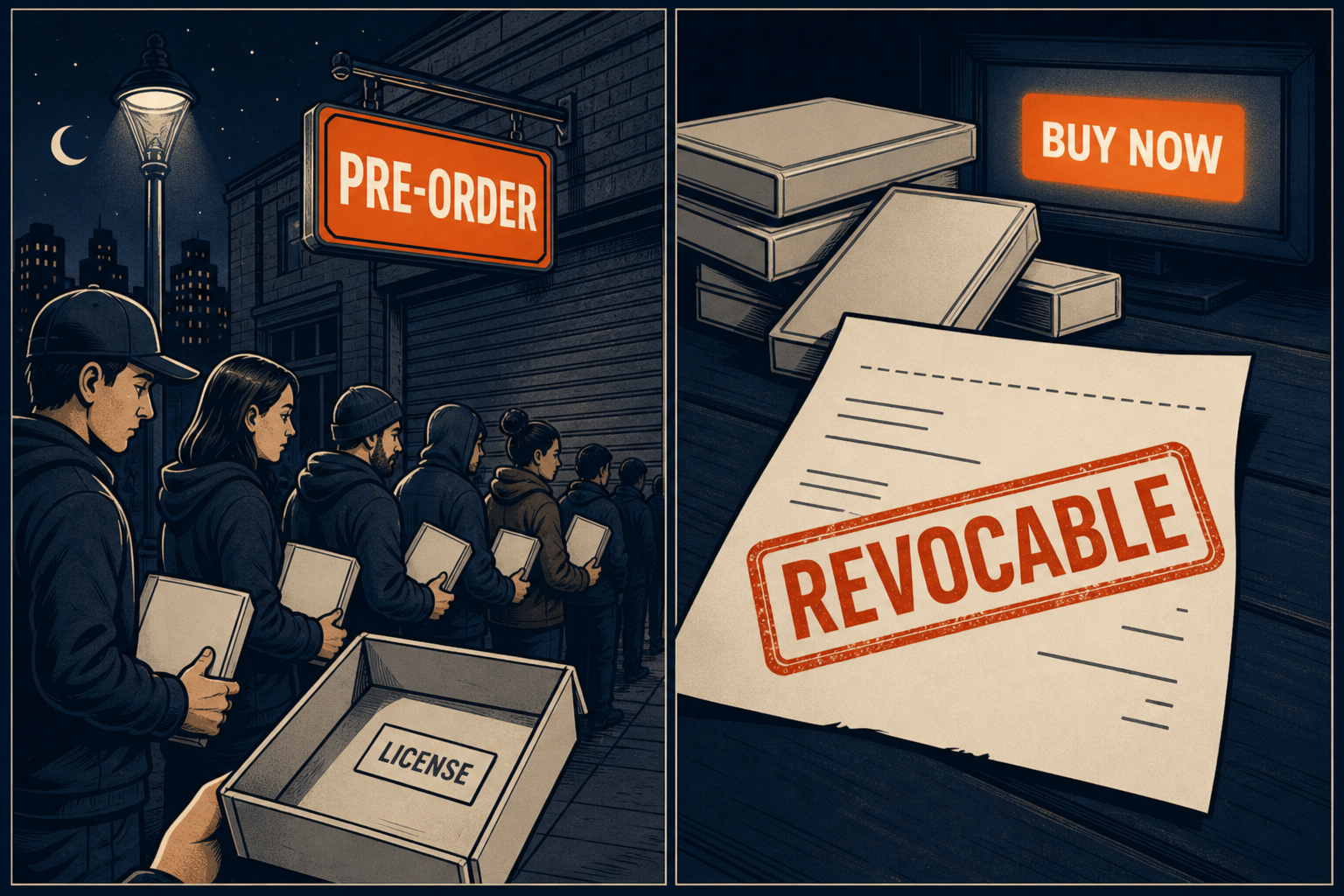
Open the PlayStation Store. The button does not say “Acquire a Non-Exclusive Revocable Personal License.” It says Buy Now. Confirm Purchase. The storefront is built to feel like a sale.
The ownership language lives hundreds of words into linked documents almost nobody opens before paying:
- PlayStation Terms §8.4: when you order or purchase a product, “you buy a personal license” and “do not own the product.”
- §10.1: use of words like “buy,” “purchase,” “own,” or “sale” “does not mean or imply any transfer of ownership.”
- The Software Product License Agreement: “The Software is licensed to you, not sold.”
- §10.2: the license is “revocable.”
So the marketing speaks purchase. The fine print speaks permission. And when someone sues over the gap, Sony’s first move is often to shove the dispute into individual arbitration under the same Terms — the same inch that became the mile.
California already answered Sony’s “reasonable person” claim. Assembly Bill 2426, effective January 1, 2025, added Business and Professions Code §17500.6. It makes it unlawful to advertise digital goods with “buy,” “purchase,” or “any other term which a reasonable person would understand to confer an unrestricted ownership interest,” unless the seller gets a separate affirmative acknowledgment or provides a clear, conspicuous, plain-language statement — distinct from other terms — that buying is a license.
Read that carefully. The California legislature’s premise is the opposite of Sony’s court brief. A reasonable person does hear “buy” as ownership. That is why the statute exists. Sony’s argument is not describing how people shop. It is describing how Sony wants the law to forget how people shop.
If the storefront were labeled “Revocable Licenses to Games” instead of Games, I do not know many people who would line up at full price. Sony knows that. That is why the inch is a Buy button and the mile is a courtroom filing.
If We Don’t Own It, How Is Piracy Stealing?
Here is the cake-and-eat-it-too move that should end the conversation before it starts.
For decades, the industry ran campaigns that equated unauthorized downloading with theft. “You wouldn’t steal a car.” The moral force of that pitch depends on the purchase frame: you took something that belonged to someone else.
But if what you “bought” was only a revocable license — if Sony can tell a court that reasonable people never owned the thing — then unauthorized copying is not stealing a car. It is copyright infringement. Those are not the same crime, and the Supreme Court already drew the line. In Dowling v. United States (1985), the Court held that copyright infringement is not theft or conversion of goods under the National Stolen Property Act. Infringement can still be illegal. It is still wrong to distribute someone else’s work without permission. But it is not “stealing” in the sense the billboards sold you.
You cannot sell Buy Now, revoke the library, tell a judge nobody owned anything, and then moralize that a download is stealing the thing you just denied was owned. That is not a legal loophole debate. That is a company wanting the emotional language of ownership when it sells, and the legal language of licensing when it takes away.
I am not telling anyone to pirate. I am saying the hypocrisy is the point. If the product is a license, say so at the button. If you want the moral panic of theft, sell ownership. They cannot have both.
Be Fair — Then Don’t Soften It
Sony can lose a StudioCanal license. That is real. Licensors expire. Negotiations fail. I am not arguing that every studio deal must last forever by magic.
What I am arguing is that none of that requires (a) marketing the transaction as a purchase, (b) offering no refund when access disappears, or (c) telling a federal court that every reasonable buyer already understood the whole arrangement was temporary permission. The Discovery fight in 2023 showed Sony can renegotiate when backlash is expensive enough. StudioCanal in 2026 shows what happens when they decide the cheaper path is deletion.
The law may allow a lot of this. That does not make it decent. It is okay to call it anti-consumer. It is okay to be mad at Sony. They earned it.
Disney Tried the Same Inch
If you think this is just a games-store problem, look at Disney.
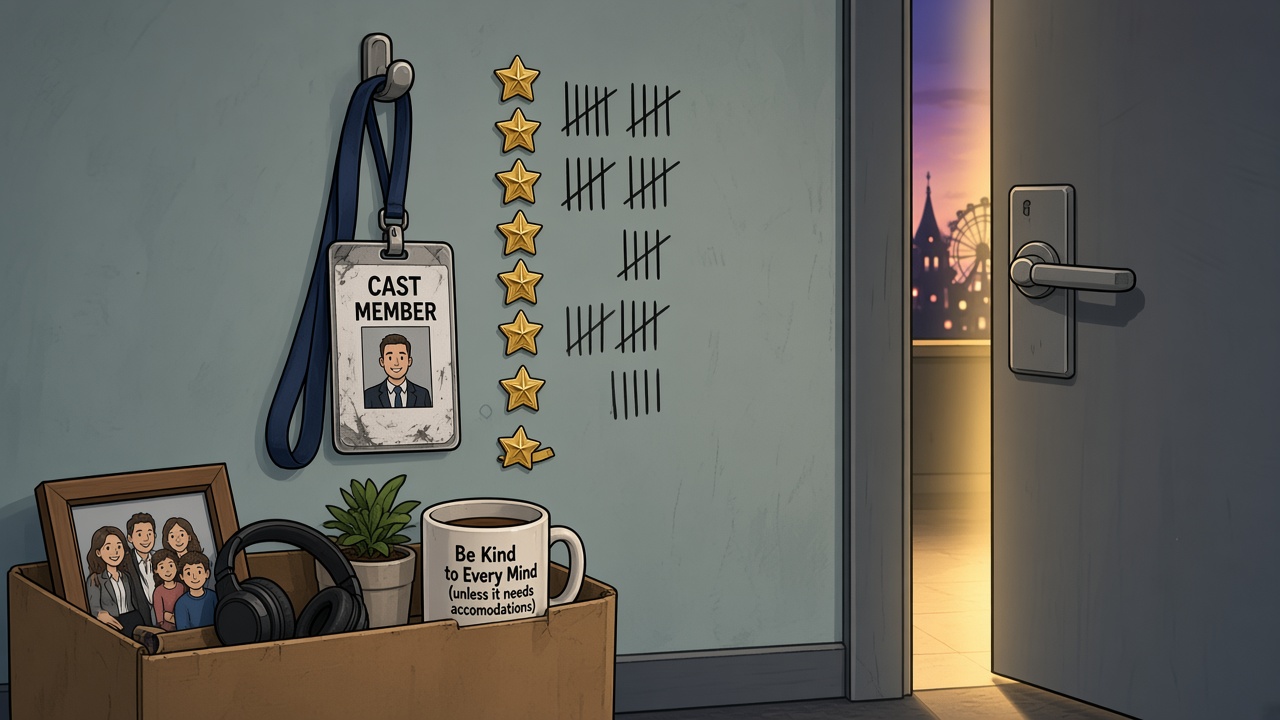
In October 2023, Dr. Kanokporn Tangsuan died of anaphylaxis after a meal at Raglan Road Irish Pub in Disney Springs. The restaurant is a tenant, not a Disney-operated kitchen. Her husband, Jeffrey Piccolo, sued Disney and the restaurant under Florida’s Wrongful Death Act.
In May 2024, Disney moved to compel individual arbitration. One of its arguments: Piccolo had agreed to arbitrate “all disputes” against “The Walt Disney Company or its affiliates” when he signed up for a one-month Disney+ trial in 2019. His lawyers said he signed up on a PlayStation and believed he canceled during the trial. Disney also pointed to park-ticket terms. Piccolo’s lawyers called the Disney+ theory “preposterous” — and they were right. A streaming trial checkbox cannot reasonably be read as waiving a wrongful-death claim arising from a restaurant meal years later.
After the country saw it, Disney walked it back. In August 2024, parks chair Josh D’Amaro said that given the sensitivity of the case, “we’ve decided to waive our right to arbitration and have the matter proceed in court.” Humanity above all other considerations, the statement said.
Hear what that sequence actually means. Disney did take the legal position. They put it in a motion. They asked a court to treat a 2019 streaming trial as a shield against a courtroom over a 2023 death. They dropped it when shame got more expensive than the clause.
That is not exoneration. That is the same incentive map as Sony’s Discovery reversal. The fine print is the real policy until it becomes expensive to defend in public. Sony’s games lawsuit is also trying to push people into arbitration under buried Terms. This is not a one-off. This is the industry standard.
Give them a checkbox. They will take a mile.
Stadiums: Civic Pride as the Inch
Now zoom out from the screen to the skyline.
Billionaire sports owners love to talk about how valuable their franchises are. Forbes rankings. Media rights. Naming rights. The team as a private jewel. Then it is time for a new arena, and suddenly nobody has any money. The public is asked to cover construction — bonds, diverted sales taxes, “economic development” packages — while the profits that follow remain private. When the upside arrives, it is their money. When the building is due, it is your problem.
The research is not ambiguous. Sports economists have documented roughly $33 billion in public funds for major-league stadiums and arenas in the United States and Canada between 1970 and 2020, with the median public contribution covering about 73 percent of construction costs. Economists who study this for a living keep finding the same result: professional sports venues produce little to no net local economic gain relative to the public money poured into them. The benefits concentrate among owners. The costs spread across taxpayers who may never buy a ticket.
The ceiling keeps rising. In late 2025, Kansas officials committed up to $1.8 billion toward a new stadium for the Kansas City Chiefs — reported as the largest professional-sports subsidy on record — while the Hunt family remains among the wealthiest ownership groups in sports. The franchise is a private asset when it is valued. The stadium is a public obligation when it needs a roof.
Same pattern. Different industry.
Civic pride is the inch. The mile is a publicly financed building that socializes downside risk and privatizes the upside. Heads they win. Tails you paid.
What We Are Trained to Accept
Sit with how many of these arrangements you have been trained to treat as normal.
You click I Agree because the alternative is not using the product. You hear Buy and assume you bought something. You hear “the city needs a stadium” and assume the alternative is the team leaving. The law often ends up lop-sided because the mile was allowed to become precedent — because enough people treated the stretch as inevitable instead of outrageous.
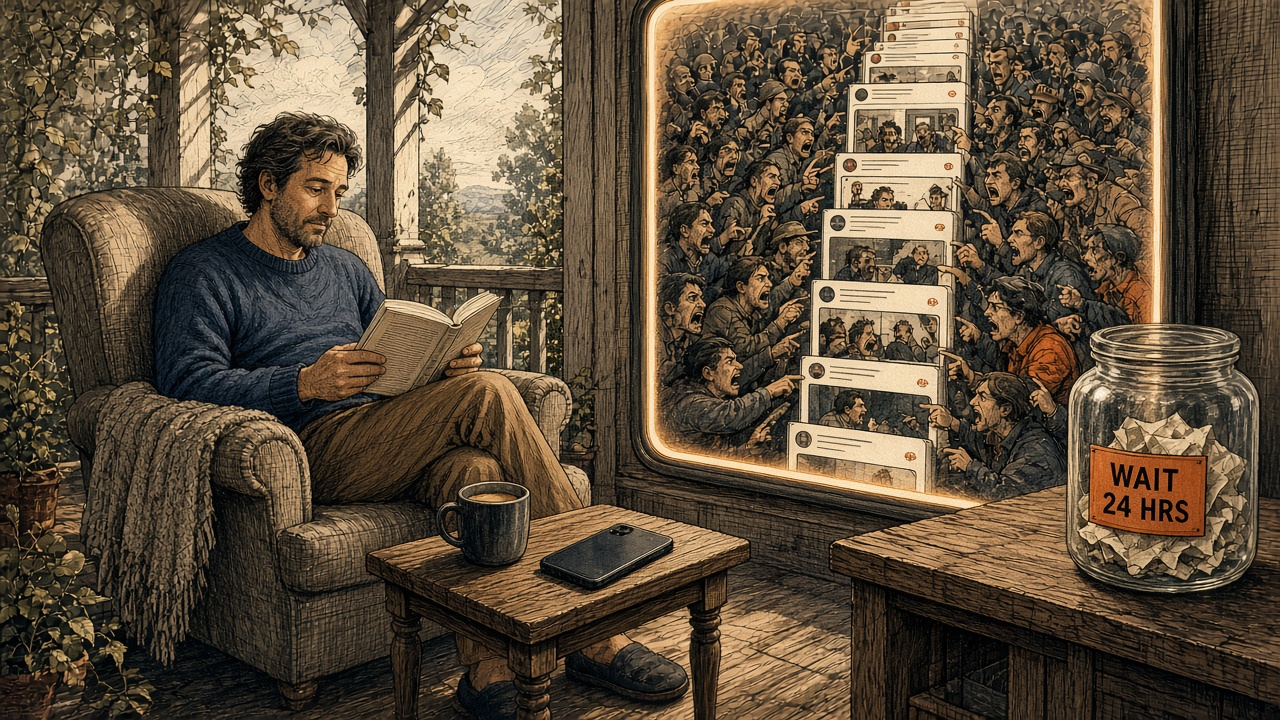
I want you to be a little self-reflective here. Not in a scolding way. In a clearing-your-eyes way. Where else have you watched a corporation take an inch — a button, a checkbox, a slogan — and stretch it into something you would never have agreed to if it had been labeled honestly on day one?
Anger is a proportionate response. It is not uncivil to say Sony and Disney deserved the heat they got. Treating corporate self-dealing as ambient weather is how the next mile gets drafted into the Terms of Service before anyone notices.
Accountability Is the Check
I do not need a boycott sermon to close this. I need the mechanism named out loud.
Sony reversed Discovery when backlash was expensive. Disney waived arbitration when the country noticed. California passed AB 2426 because legislators decided “Buy” was misleading without a plain-language license disclosure. Those are not stories about corporations discovering ethics. They are stories about corporations discovering a cost.
Give them an inch and they take a mile. Silence reads as consent. The work — the unglamorous, necessary work — is refusing to treat the mile as normal. Make the stretch expensive. Call it what it is. Hold them accountable.
They cannot have it both ways: the language of ownership when they sell, the language of licensing when they take it back; the language of magic when they want a streaming trial signed, the language of “all disputes” when someone dies; the language of franchise value when the books look good, the language of public partnership when the concrete needs pouring.
That is the business model. Stop pretending it is a misunderstanding.
Sources
Sony / StudioCanal and Discovery:
- Studio Canal Removal (UK) (PlayStation official notice)
- PlayStation Will Delete Purchased Discovery Shows (New York Times, Dec. 2023)
- PlayStation will not delete Discovery TV shows after all (GamesIndustry.biz)
- Sony’s attempted removal of “purchased” content (Consumer Rights Wiki)
Sony lawsuit and “reasonable consumers”:
- Class action complaint, Garcia et al. v. Sony Interactive Entertainment (N.D. Cal., No. 3:26-cv-06016)
- Motion to compel arbitration or dismiss (Aug. 21, 2026)
- Facing lawsuit, Sony argues it’s already obvious that digital games aren’t owned by consumers (Game File / Stephen Totilo, Aug. 2026)
- PlayStation Terms of Service
California AB 2426:
- AB-2426 Consumer protection: false advertising: digital goods (California Legislature)
- California Expands False Advertising Law to Require Express Licensing Disclosures (Thompson Coburn)
Piracy / theft distinction:
Disney+ arbitration:
- Disney says man can’t sue over wife’s death because he agreed to Disney+ terms (NBC News)
- Disney backpedals on Disney+ arbitration argument (NBC News, Aug. 2024)
- Disney won’t use Disney+ terms to dodge wrongful death suit (NPR)
Stadium subsidies:
- Sports Stadium Subsidies: Taxpayers Shoulder a Heavy Burden (Tax Foundation)
- Sports stadium deals hand even more taxpayer money to billionaires (Stateline, Jan. 2026)
- With Chiefs stadium, Kansas offers even more taxpayer money to billionaires (KCUR, Jan. 2026)
- Sports stadiums and taxpayer financing: A primer and research roundup (Journalist’s Resource)